
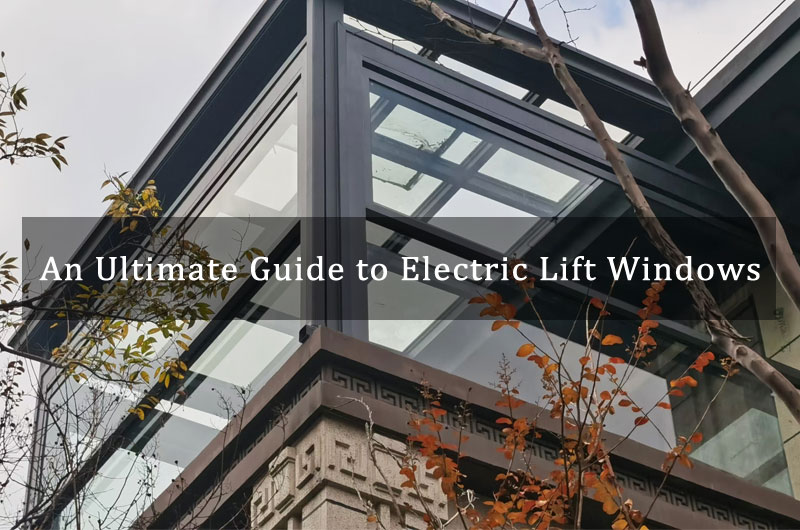
Windows are more than simple openings in walls – they let in light, fresh air, views, and can significantly shape comfort and convenience.
Among the many modern window technologies, electric lift windows offer a blend of automation, safety, and efficiency that elevates user experience.
Whether you’re a homeowner considering a smart home upgrade or a facilities manager planning a renovation, this guide will walk you through everything you need to know about electric lift windows.
1. What Are Electric Lift Windows?
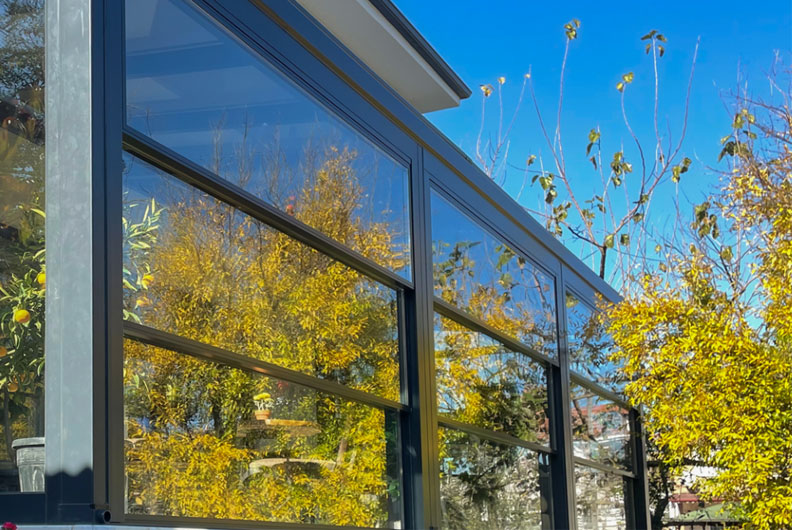
Electric lift windows are windows that open and close using an electric motor rather than manual force. Unlike traditional windows that require users to push, pull, crank, or slide them physically, electric lift windows operate with the push of a button, remote control, or even a mobile app.
At their core, these systems consist of:
- Motor Drive Unit: A servo motor housed inside the window frame or connected to a mechanism that moves the window sash up and down.
- Control System: A switch, keypad, remote, or smart controller that sends signals to the motor to open or close the window.
- Sensors and Safety Features: Optional components that prevent obstruction, detect weather conditions (e.g., rain), and ensure safe operation.
Electric lift windows are used in multiple environments:
Residential

In homes, they are often found in hard-to-reach areas like skylights, high clerestory windows, atriums, or expansive glass walls.
Commercial & Institutional Buildings

Office buildings, hospitals, and schools use electric lift windows to improve ventilation, reduce maintenance, and integrate with building automation systems.
Specialty Applications
Greenhouses, industrial facilities, and luxury yachts also employ electric lift windows to regulate airflow, temperature, and energy efficiency.
In all these cases, the defining feature of an electric lift window is that motorized automation replaces manual operation—bringing convenience, improved accessibility, and adaptability to various settings.
2. Benefits of Electric Lift Windows
Electric lift windows are more than a convenience—they bring a suite of functional, aesthetic, and safety advantages. Below are the key benefits that make them increasingly popular across applications.
2.1. Effortless Operation
The most immediate benefit is ease of use. With a simple button press, window opening and closing becomes instantaneous:
- Great for elderly or mobility-impaired users
- Convenient for high or hard-to-reach windows
- Removes physical strain in homes and commercial buildings
2.2. Improved Ventilation Control
Electric lift windows allow users to precisely control ventilation:
- Partially opening windows to regulate airflow
- Integrating with HVAC systems to balance indoor air quality
- Programmed automatic opening or closing based on temperature or air quality sensors
This level of control promotes healthier indoor environments and improves comfort year-round.
2.3. Enhanced Safety
Modern electric lift systems come with safety features often absent in traditional windows:
- Obstacle detection: Motors stop automatically if an object blocks the window path.
- Child safety locks: Prevent unintended operation in homes with children.
- Automatic closure in severe weather: Systems connected to rain or wind sensors can close windows during storms.
These features reduce accidents and protect property and people.
2.4. Energy Efficiency
Electric lift windows can improve energy performance:
- Precise control prevents unnecessary heat loss or gain.
- Integration with automated building systems can close windows when HVAC systems are active, reducing energy waste.
- Sensors can trigger closure at extreme temperatures, improving insulation.
2.5. Modern Aesthetics and Seamless Design
Electric lift windows enable sleek architectural designs:
- Hidden tracks, minimal framing, and flush finishes
- Clean look without crank handles or manual hardware
- Smooth and consistent motion enhances premium feel
This contributes to modern aesthetics preferred in contemporary homes and commercial spaces.
2.6. Enhanced Accessibility and Inclusivity
For people with limited mobility, traditional windows can pose a challenge. Electric lift windows:
- Eliminate physical barriers
- Provide remote access and control
- Facilitate independent control for all users
This makes spaces more inclusive and accessible.
2.7. Durability and Lower Wear-and-Tear
Because operation doesn’t rely on manual force:
- Components experience less stress
- Wear on frames and sashes is reduced
- Overall lifespan of the window tends to improve
When properly maintained, electric lift windows can outlast traditional manual models.
3. Electric Lift Windows vs. Traditional Windows
When considering electric lift windows, one of the most common questions is: How do they compare with traditional manual windows?
Below is a detailed comparison outlining key differences across performance, cost, function, and user experience.
3.1. Operation and Convenience
| Feature | Electric Lift Windows | Traditional Windows |
|---|---|---|
| Opening / Closing | Automatic via switch, remote, or app | Manual via crank, slide, or push |
| Ease of Use | Very high | Varies (can be difficult in hard-to-reach areas) |
| Accessibility | Excellent | Limited for certain users |
| Automation | Supported | Not supported |
| Integration with Smart Systems | Yes | No |
Summary: Electric lift windows clearly win on ease of use and automation—especially beneficial for inaccessible areas or users who prefer remote control.
3.2. Installation and Complexity
| Feature | Electric Lift Windows | Traditional Windows |
|---|---|---|
| Installation Difficulty | Moderate to advanced | Simple to moderate |
| Wiring / Power Needed | Yes | No |
| Integration into Smart Systems | Yes | No |
Electric lift windows require electrical wiring, controls, and potentially sensors, which can make installation more complex and costly. Traditional windows are much simpler to install and maintain.
3.3. Cost Comparison
| Cost Category | Electric Lift Windows | Traditional Windows |
|---|---|---|
| Initial Purchase | Higher | Lower |
| Installation | Higher | Lower |
| Maintenance | Variable (motor and controls) | Lower |
| Long-term Energy Savings | Possible | Less likely |
Takeaway: Electric lift windows require a higher up-front investment, but they can offer savings through energy efficiency and convenience in the long run.
3.4. Accessibility and Safety
Electric lift windows significantly outperform traditional windows in terms of:
- Safety features (automatic obstruction detection, weather sensors)
- Accessibility
- Ease of operation for all users
Traditional windows lack these smart safety integrations.
3.5. Aesthetics and Design Flexibility
Electric systems allow flush mount and hidden components, enabling:
- Larger glass expanses
- Minimalist architectural designs
- Seamless integration into smart buildings
Traditional windows may limit aesthetic possibilities due to mechanical hardware.
3.6. Maintenance Requirements
Electric lift windows require:
- Occasional motor and control checks
- Electrical system inspection
- Software updates (for smart integrations)
Traditional windows require:
- Hardware lubrication
- Track cleaning
- Seal and frame inspection
Both systems need maintenance, but the type differs. Electric systems need occasional technical servicing, while traditional windows need regular physical upkeep.
4. How to Choose the Right Electric Lift Window System
Selecting the right electric lift window system involves understanding your needs, environment, budget, and long-term goals. Below are some key factors to guide your selection.
4.1. Define Your Goals and Use Case
Ask yourself:
- Are the windows for residential or commercial use?
- Do you want integration with a smart home or building automation system?
- Are there specific safety or accessibility needs?
- Will the windows face extreme weather conditions?
Your answers will guide you toward the right system.
4.2. Window Size and Type
Electric lift systems are available for:
- Casement windows
- Slider windows
- Skylights
- Awning or hopper windows
- Fixed/fold away systems
Match the system to the window type and size:
- Larger, heavier windows require more powerful motors and stronger tracks.
- Skylights and clerestory windows need systems designed for overhead installation.
4.3. Motor Power and Drive Mechanism
The motor power and drive mechanism play a critical role in the performance, stability, and lifespan of an electric lift window system. A well-matched drive system ensures smooth lifting, reliable operation, and long-term safety—especially when handling large or heavy glass panels.
Our electric lift window systems are engineered with two drive mechanisms, each designed to meet different application requirements:
4.3.1. Screw Lifting System
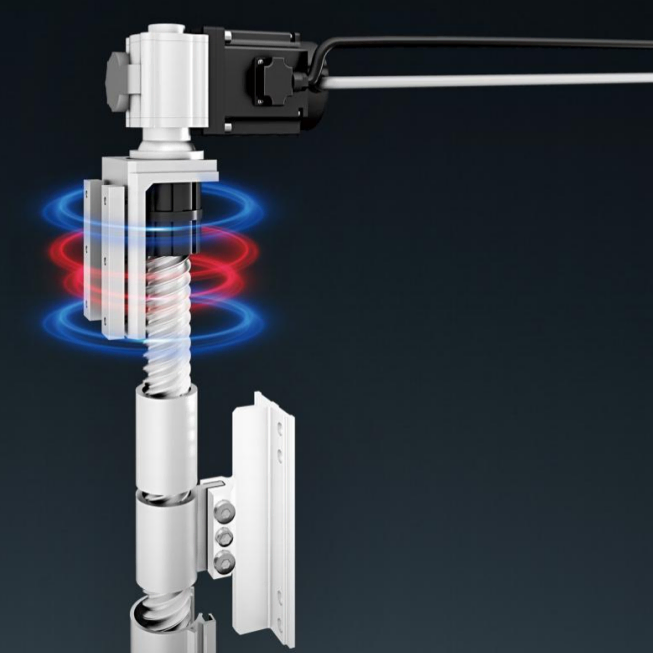
The screw lifting system operates using a motor-driven lead screw that converts rotational motion into precise vertical movement. As the screw rotates, it raises or lowers the window panel in a controlled and stable manner.
The screw lifting system is capable of bearing a maximum load of 300kg. It is commonly used in residential buildings, offices, and areas where controlled movement and reliability are top priorities.
4.3.2. Chain Lifting System
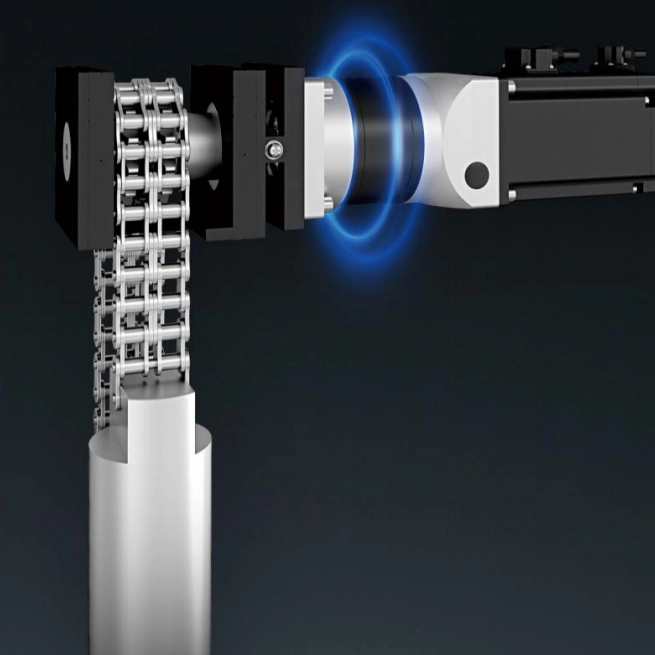
The chain lifting system uses a motor-driven carbon steel chain to lift and lower the window sash. This mechanism is designed to handle larger spans and heavier loads (up to 1200 kg) while maintaining smooth operation.
Chain lifting systems are often preferred for commercial buildings, large architectural glass installations, and projects where strength and scalability are essential.
4.4. Controls and Automation Compatibility
Decide which control method fits your lifestyle or building needs:
4.4.1. Wired Switch Panels
Good for fixed installations and frequent use.
4.4.2. Wireless Remote Controls
Easy retrofit and flexible placement.
4.4.3. Smart Home / Mobile App Control
Convenient if you have an existing smart system (Amazon Alexa, Google Home, Apple Home).
4.4.4. Sensor Integration
Automatic closure when:
- It starts raining
- Wind gusts increase
- Indoor conditions change (temperature, air quality)
4.5. Safety Features
Prioritize systems with:
- Obstacle detection
- Anti-pinch protection
- Emergency manual override
- Backup power supply
- Electric protective screen
- Weather-responsive automation
These features protect people, pets, and property.
4.6. Energy Efficiency and Insulation
Look for:
- Thermally broken frames
- Low-E glass
- Multi-pane glazing
- Weather seals
These features augment the natural advantages of electric lift window systems and help improve energy performance.
4.7. Professional Installation and Support
Ensure:
- Proper alignment and balanced installation
- Correct wiring to avoid electrical issues
- Testing of all safety and sensor features
Professional installers can also tune the system to your building’s specific needs.
4.8. Warranty and After-Sales Service
Check:
- Motor and parts warranty
- Long-term support from the manufacturer
- Availability of replacement parts
A strong warranty ensures peace of mind and reliability.
Conclusion
Electric lift windows represent a powerful upgrade over traditional manual windows, delivering automation, safety, energy efficiency, and design flexibility. Whether for a high-end home or a commercial building, understanding what these systems are, how they compare with traditional options, and what to look for when selecting one is critical.
Making the right choice starts with identifying your specific needs and matching them with the right combination of window frame size, control systems, safety features, and installation quality.