
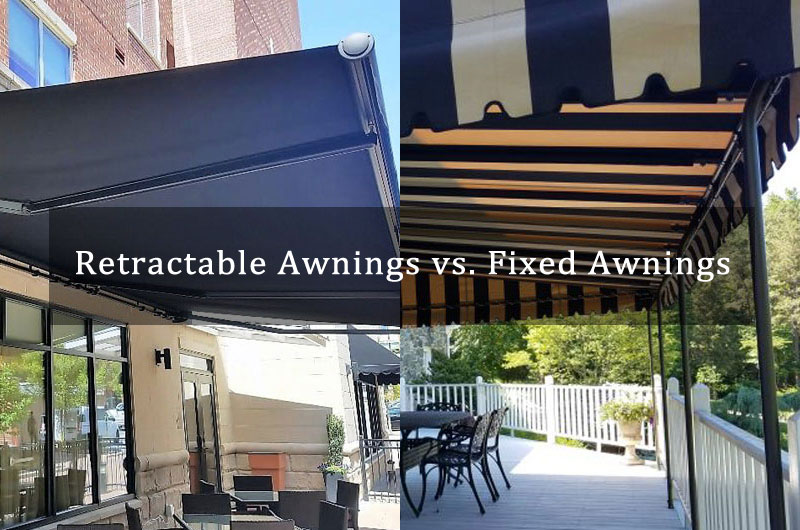
Awnings are one of the most functional and visually appealing outdoor home upgrades you can make.
Whether shading a patio, deck, or window, an awning enhances comfort, protects from the elements, and increases a property’s aesthetic appeal.
But when it comes to choosing between retractable awnings and fixed awnings, many homeowners find themselves asking: Which one is right for me?
In this in‑depth comparison, we’ll explore the differences, advantages, drawbacks, and practical considerations that can help you make the best choice.
Retractable Awnings
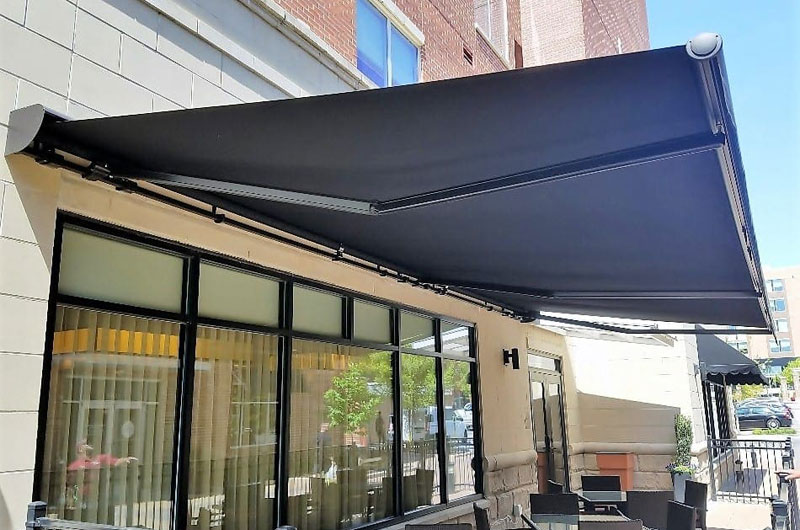
Retractable awnings provide versatile shade solutions. They can be extended or retracted manually or via motorized systems, with some models featuring sensors that automatically fold the awning during rain or strong winds.
Pros of Retractable Awnings
- Control Over Sun and Shade: You decide when you want coverage. On cooler days, simply retract the awning to let sunlight in. On hot, sunny afternoons, extend it for maximum shade.
- Protection When Not in Use: Retracting the awning shields it from harsh weather, helping to prolong its lifespan, especially in areas with unpredictable conditions or high winds.
- Improved Views: When retracted, these awnings don’t block your sightlines, preserving outdoor views and open sky.
- Energy Efficiency: By shading windows and doors during hot months, retractable awnings can reduce indoor cooling costs.
- Modern Features: Many offer advanced options like remote controls, wind sensors, and integration with home automation systems.
Cons of Retractable Awnings
- Higher Cost: Retractable systems (especially motorized ones) can be expensive upfront compared to fixed awnings.
- Maintenance Requirements: Moving parts mean more potential maintenance. Motors, arms, and mechanisms require occasional care.
- Limited Protection in Bad Weather: Because they retract, they don’t offer consistent shelter in rain or storms unless specifically designed for weather resilience.
Fixed Awnings
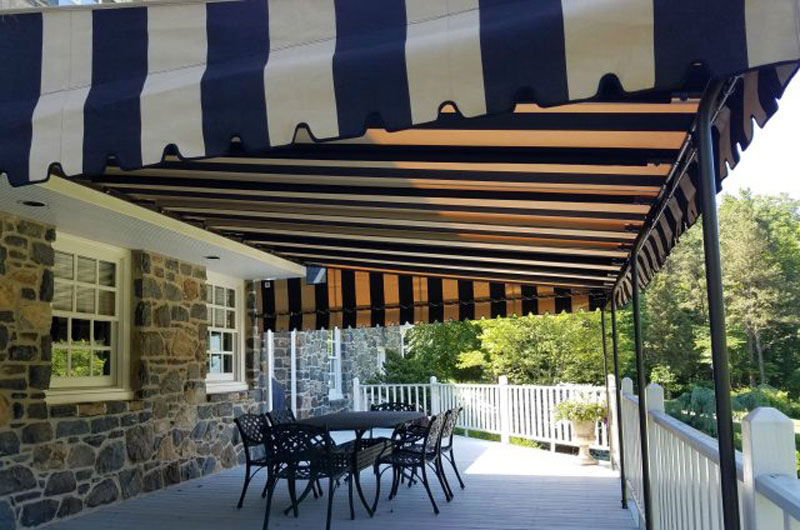
Fixed awnings are permanently attached structures. They stay in place year‑round and often use rigid materials like aluminum, polycarbonate, or tightly secured fabric.
Pros of Fixed Awnings
- Durability and Stability: With fewer moving parts and solid support, fixed awnings withstand strong winds and heavy rain better than retractable fabric systems.
- Lower Initial Cost: In many cases, fixed awnings are more affordable, particularly if you choose simple, non‑motorized designs.
- Permanent Protection: Fixed awnings deliver constant shade and protection, making them ideal for spaces that need year‑round coverage.
- Wide Range of Materials: Fixed awnings can be built with stronger materials like metal or wood, expanding design possibilities and longevity.
- Low Maintenance: Without motorized components, maintenance is minimal, usually limited to cleaning and occasional inspections.
Cons of Fixed Awnings
- Less Flexibility: Fixed awnings are static. You can’t adjust them for changing sun angles, cool weather, or design updates without substantial remodeling.
- Potential for Heat Retention: Because they’re always in place, fixed awnings can sometimes block desired sunlight during cooler months.
- Can Obstruct Views: Depending on placement and design, a permanent structure can partially block views or make outdoor spaces feel enclosed.
Side‑by‑Side Comparison
| Feature | Retractable Awnings | Fixed Awnings |
|---|---|---|
| Flexibility | ⭐⭐⭐⭐ | ⭐⭐ |
| Weather Resistance | ⭐⭐ | ⭐⭐⭐⭐ |
| Cost | ⭐⭐⭐ | ⭐⭐ |
| Lifespan | ⭐⭐⭐ | ⭐⭐⭐⭐ |
| Maintenance | ⭐⭐ | ⭐⭐⭐⭐ |
| Aesthetics Options | ⭐⭐⭐⭐ | ⭐⭐⭐ |
| Energy Savings | ⭐⭐⭐⭐ | ⭐⭐⭐ |
Key Factors to Consider Before You Choose
1. Climate and Weather Patterns
If you live in an area with frequent storms, wind, or heavy snowfall, fixed awnings might offer greater resilience. Conversely, retractable awnings are ideal for regions with milder weather where you want control over shade and sunlight.
2. How You Use Your Outdoor Space
- Entertaining regularly? Retractable awnings give you shade when needed and open space when not.
- Have a permanent outdoor kitchen or dining area? Fixed awnings can offer consistent protection from the elements.
3. Budget and Long‑Term Value
While retractable awnings often cost more upfront, they can offer savings in comfort and energy efficiency. Fixed awnings tend to be less expensive initially and low‑maintenance over time.
4. Aesthetic Preferences
Both styles come in many designs, colors, and materials, but retractable awnings offer the added benefit of disappearing when not desired, preserving clean architectural lines.
5. Home Resale Value
Functional enhancements like retractable awnings can appeal to potential buyers because of their versatility. That said, durable fixed awnings may signal permanence and quality.
Installation and Maintenance Considerations
Installing Retractable Awnings
- Professional installation is highly recommended.
- Must be securely anchored to walls or beams.
- Motorized models need electrical access.
Installing Fixed Awnings
- May require structural supports like posts or reinforced frameworks.
- Material choice affects installation complexity.
Maintenance Tips for Both
- Clean regularly: Remove dirt, pollen, and debris.
- Inspect hardware: Check fasteners and frames periodically.
- Store accessories: Seasonal protective covers help prolong life.
- Handle repairs promptly: Address small tears or mechanical issues quickly.
Which One Is Right for You?
There’s no one‑size‑fits‑all answer, but here’s a quick way to decide:
- You want control, flexibility, and modern convenience? Go with a retractable awning.
- You want durability, constant protection, and low maintenance? A fixed awning is likely your better option.
- Your climate has severe weather? Fixed awnings may offer stronger resilience.
- You love dynamic outdoor spaces that change with the day? Retractable awnings put you in command.
Ultimately, both types of awnings can transform your outdoor areas, it’s just a matter of matching your priorities with the right solution.